
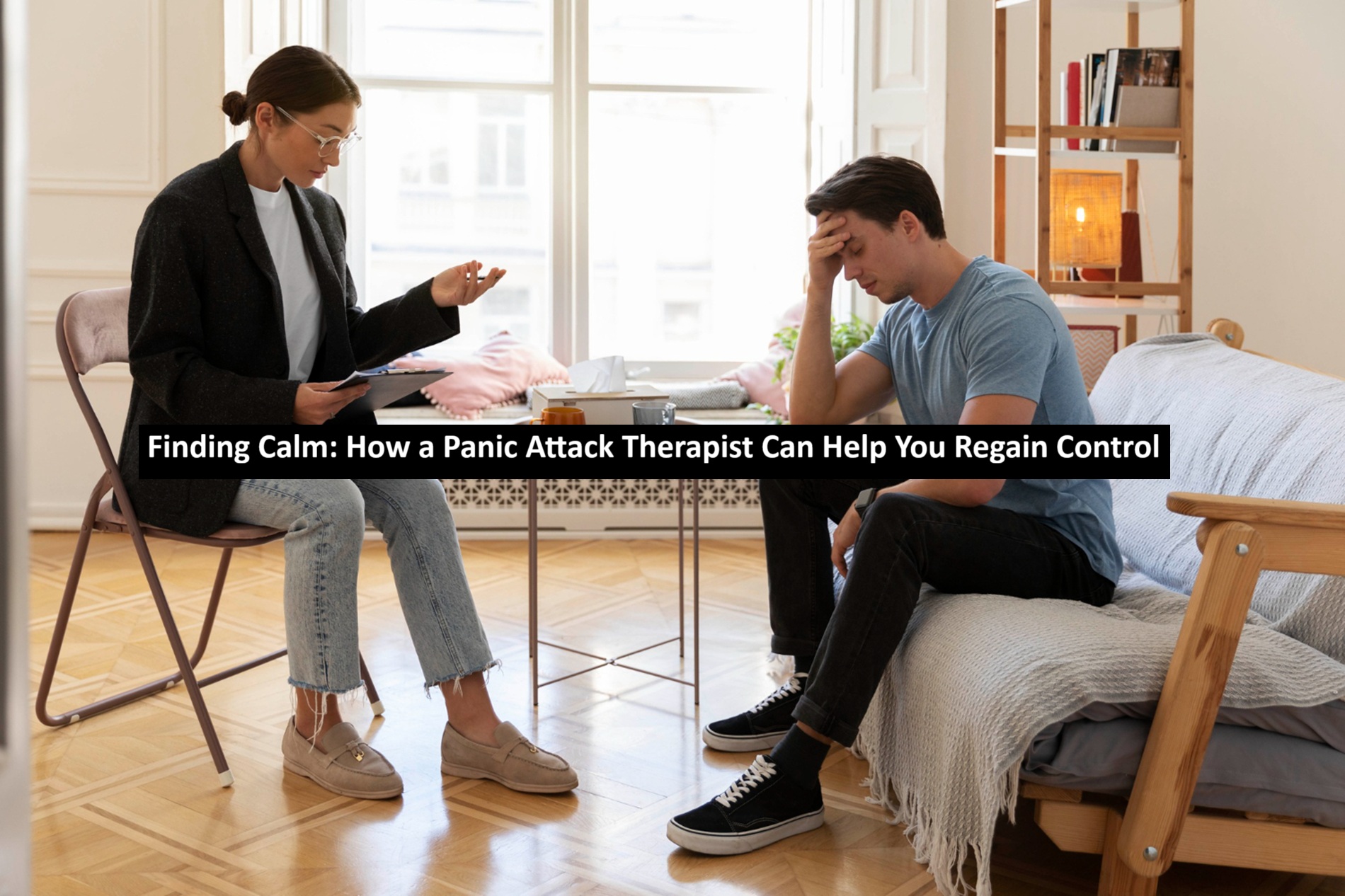
Finding Calm: How a Panic Attack Therapist Can Help You Regain Control
In today’s hectic, high-pressure world, worry has become a common companion for many people. However, if your anxiety gets so bad that it feels like everything is going out of control, you might be having a panic attack. These sudden, acute moments of terror cause your heart to race, your breathing to become difficult, and you may even feel as if you are losing your sense of reality.
You are not alone if you have gone through this. Despite the fact that panic attacks affect millions of individuals worldwide, there is good news: assistance is accessible. You can learn to comprehend, control, and ultimately lessen your panic attacks with the assistance of a panic attack therapist. With the correct kind of treatment support, you can regain control and find calm in your day-to-day existence.
Understanding Panic Attacks
A panic attack is more than just feeling nervous or upset; it’s a sharp increase in fear that often peaks within minutes and can cause both physical and emotional symptoms. Common indicators consist of:
- Chest discomfort or an accelerated heartbeat
- Breathlessness or a sensation of suffocating
- Lightheadedness or shaking
- Perspiration and trembling
- A feeling of disassociation or unreality
- Fear of dying or losing control
These symptoms can be worrisome, especially if they appear quickly. Many people mistake their first panic attack for a medical condition, such as a heart attack. When the fear of another attack becomes so intense that it disrupts daily activities, panic disorder, a condition in which panic attacks occur frequently and without warning, can develop.
This is where professional therapy can make a life-changing difference.
Read: The Importance of Reliable Proxy Infrastructure in the Modern Internet
A Panic Attack Therapist’s Function
A mental health practitioner who has been trained to identify the underlying causes of panic attacks, treat their symptoms, and provide long-lasting coping mechanisms is known as a panic attack therapist. Therapists foster a secure, encouraging environment where self-awareness and healing can flourish by incorporating evidence-based practices.
Here’s how therapy helps:
1. Recognizing Stressors
An important first step in controlling panic attacks is understanding what triggers them. Both internal (such specific thoughts or emotions) and external (like stressful situations or specific environments) triggers are possible. A therapist helps you recognize these tendencies so you may better anticipate and manage them through mediated discussions and self-reflection.
2. CBT, or cognitive behavioral therapy
One of the most effective strategies for treating panic attacks is cognitive behavioral therapy, or CBT. Cognitive behavioral therapy (CBT) helps you reframe and challenge the thought patterns that underlie anxiety and terror. By identifying irrational concerns, such “I’m going to faint” or “I can’t escape this situation,” and substituting them with sensible, realistic thoughts, you can progressively reduce the power that panic has over you.
3. Exposure Therapy
For some people, their fear of panic is the main problem. With exposure therapy, you can confront this anxiety progressively and manageably. With the therapist’s assistance, you can learn to face the situations or emotions that cause you to feel anxious, which could reduce your avoidance strategies and increase your confidence in your ability to control your anxiety.
4. Breathing and Relaxation Techniques
Your body switches over to the “fight or flight” response when a panic attack occurs. In order to help you relax and quiet your body and mind, therapists frequently teach breathing, grounding, and relaxation techniques. The frequency and severity of panic episodes can be considerably decreased by practicing progressive muscle relaxation, mindfulness meditation, or deep breathing techniques.
5. Developing Emotional Intelligence
Panic attacks are often caused by unresolved trauma, suppressed emotions, or persistent stress. Working with a therapist allows you to analyze these emotional levels with compassion and sensitivity. By examining these feelings, you can prevent them from suddenly becoming dread.
6. Developing a Customized Coping Strategy
Everybody experiences panic in a different way. A licensed professional therapist adapts approaches to your unique experiences, whether that include journaling, visualization exercises, affirmations, or developing healthier lifestyle habits like regular sleep and a balanced diet.
The Significance of Expert Assistance
Some people use willpower or avoid triggers in an attempt to control their panic episodes on their own. Although self-help techniques can offer short-term respite, they frequently fail to address the underlying issue. Beyond superficial coping, a panic attack therapist offers accountability, structure, and evidence-based techniques.
Here are a few reasons professional support is so valuable:
- Expert Insight: Therapists are trained to identify thought and behavior patterns you might overlook.
- Safe Space: Therapy offers a judgment-free zone where you can express your fears without shame.
- Sustainable Progress: You’ll learn skills that help you not just manage panic, but also prevent future attacks.
- Support System: Having a trusted professional in your corner reduces the isolation that often comes with anxiety.
The Way to Harmony
Instead of totally eliminating panic attacks, the aim of therapy is to help you become more resilient and learn how to better control your emotions. Usually, the healing process looks like this:
1. Knowledge and Perception
In the beginning, your therapist helps you recognize your panic attacks and understand the emotional and physical mechanisms that cause them. Understanding that panic attacks are not life-threatening can be incredibly liberating.
2. Development of Skills
Next, you will learn specific strategies like breathing exercises, grounding exercises, and mindfulness exercises that you can use whenever you experience a panic attack. These abilities help one regain control and break the cycle of fear.
3. Confidence and Empowerment
As treatment progresses, you will start using these tools in real-world situations. Being able to relax might give you the courage to go into places or circumstances you’ve avoided in the past.
4. Long-Term Transformation
Eventually, panic stops taking over your daily life. You will not only feel more relaxed but also more self-aware, emotionally secure, and capable of handling stress in healthier ways.
Regaining Control Is Possible
If panic attacks have been taking over your life, keep in mind that, with the correct support and work, recovery is not only feasible but also attainable. Engaging with a panic attack therapist equips you with the skills, information, and self-assurance you need to recover your inner serenity and lead a more peaceful and meaningful life.
You have the right to feel secure in your own body and mind. With the compassionate guidance of a Panic Attack Therapist, one serene breath at a time, you can transition from fear to liberation through empathy, endurance, and the appropriate expert assistance.


More Stories

Malaysia Is Emerging as Southeast Asia’s Logistics Powerhouse—But Operational Excellence Will Separate the Leaders
For many years, Malaysia’s logistics advantage was discussed primarily in terms of geography. Its strategic location at the heart of...

Cost, Care & Comfort: What Your Invisalign Dentist in St. Louis Wants You to Know
A straight smile can do greater than improve your look—it could increase your confidence, improve oral health, and make regular...

Why EHR Software Matters for Personal Health Management
Quick Overview of Digital Health Record Solutions EHR Software is essential in enhancing a personal health system because it will...

Profit-Boosting Tips for Small Garage Door Business Owners
Running a small business is a journey filled with both challenges and immense rewards. For garage door business owners, the...

5 Signs You Need a Salesforce Implementation Partner
In the business world, one of the strongest Customer Relationship Management (CRM) platforms on the international market is Salesforce. However,...

How To Choose The Perfect Designer Blazer For Men
A well fitted designer blazer can change a man's entire look. It can give an air of sophistication, confidence and...